
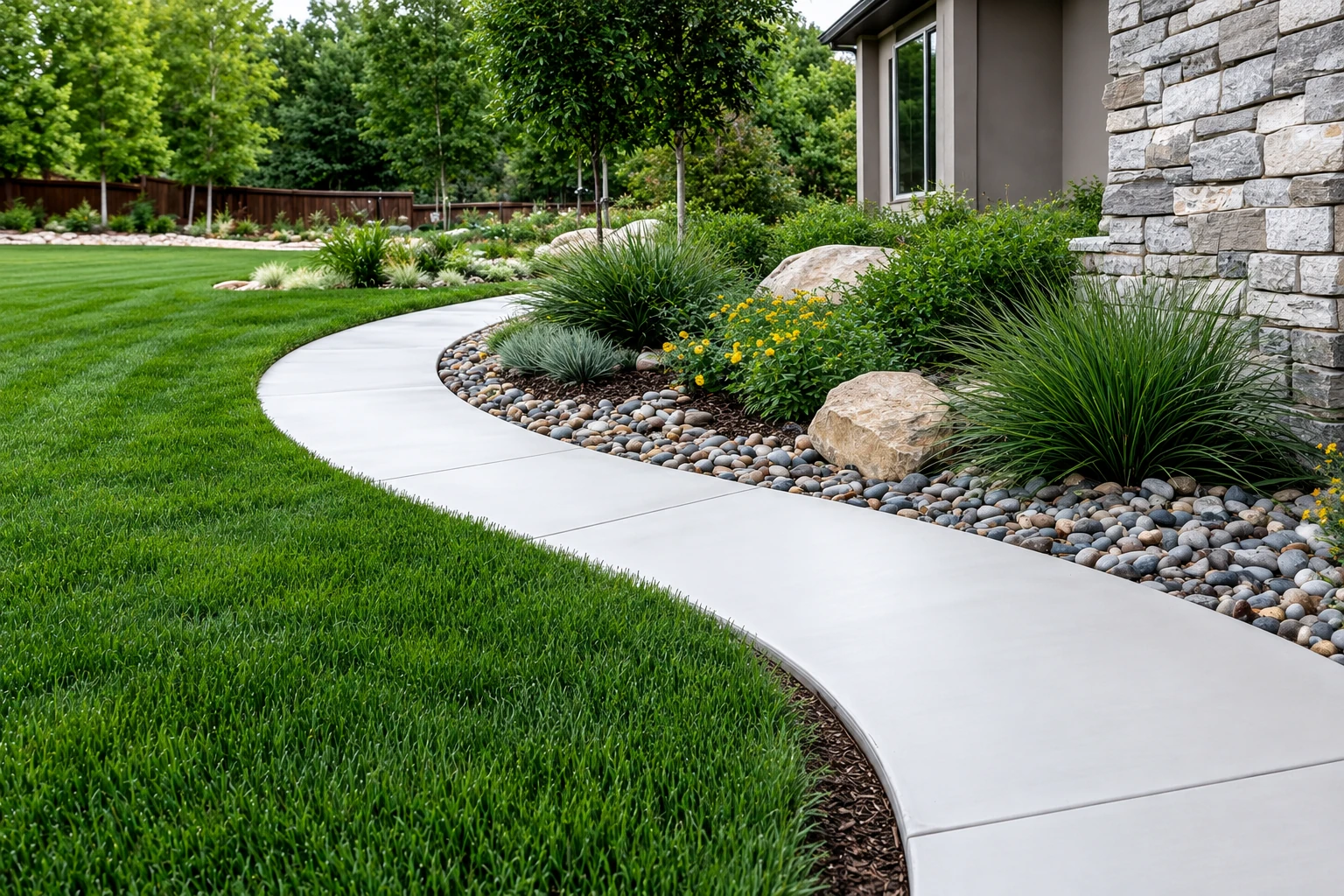
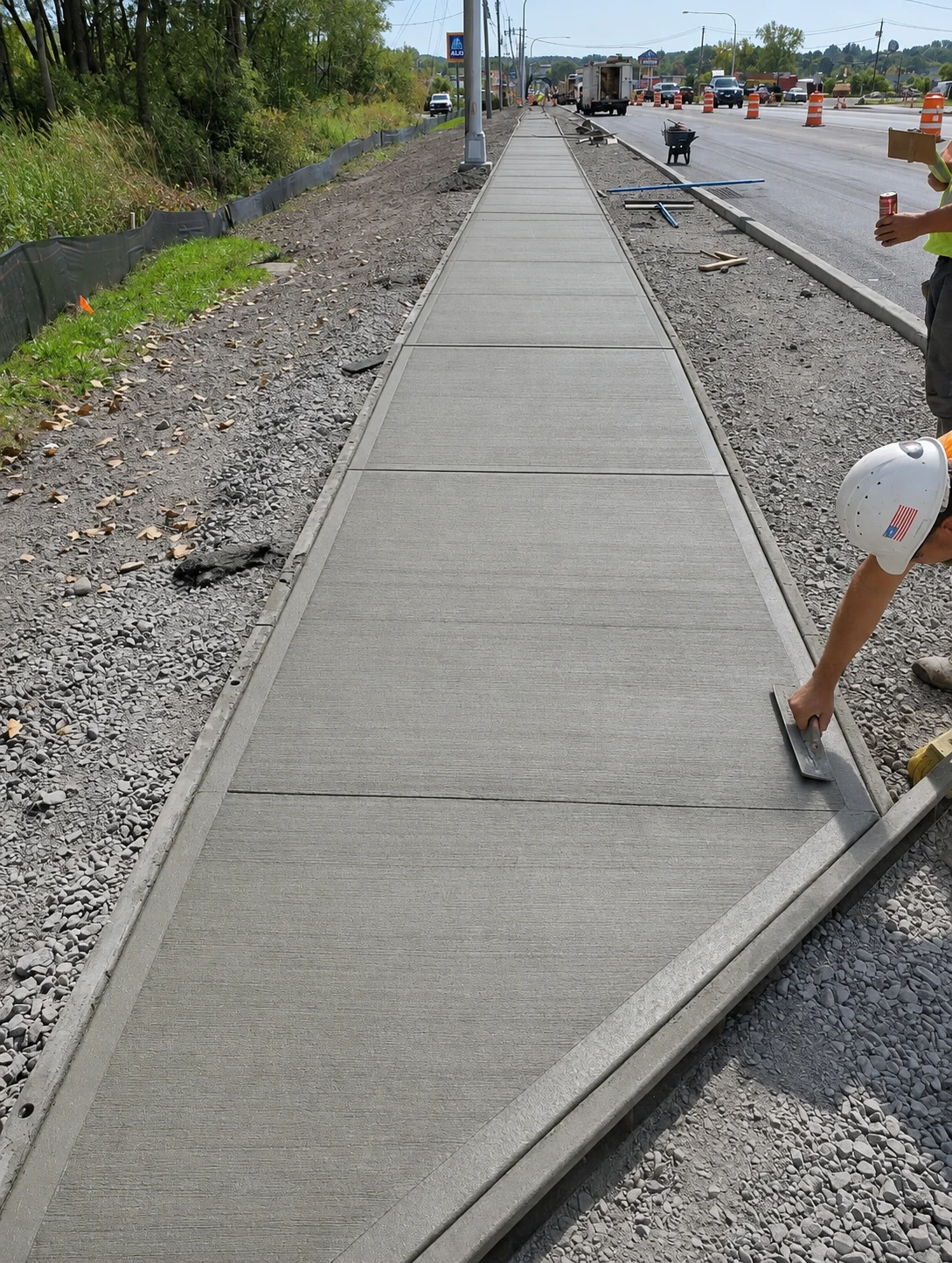
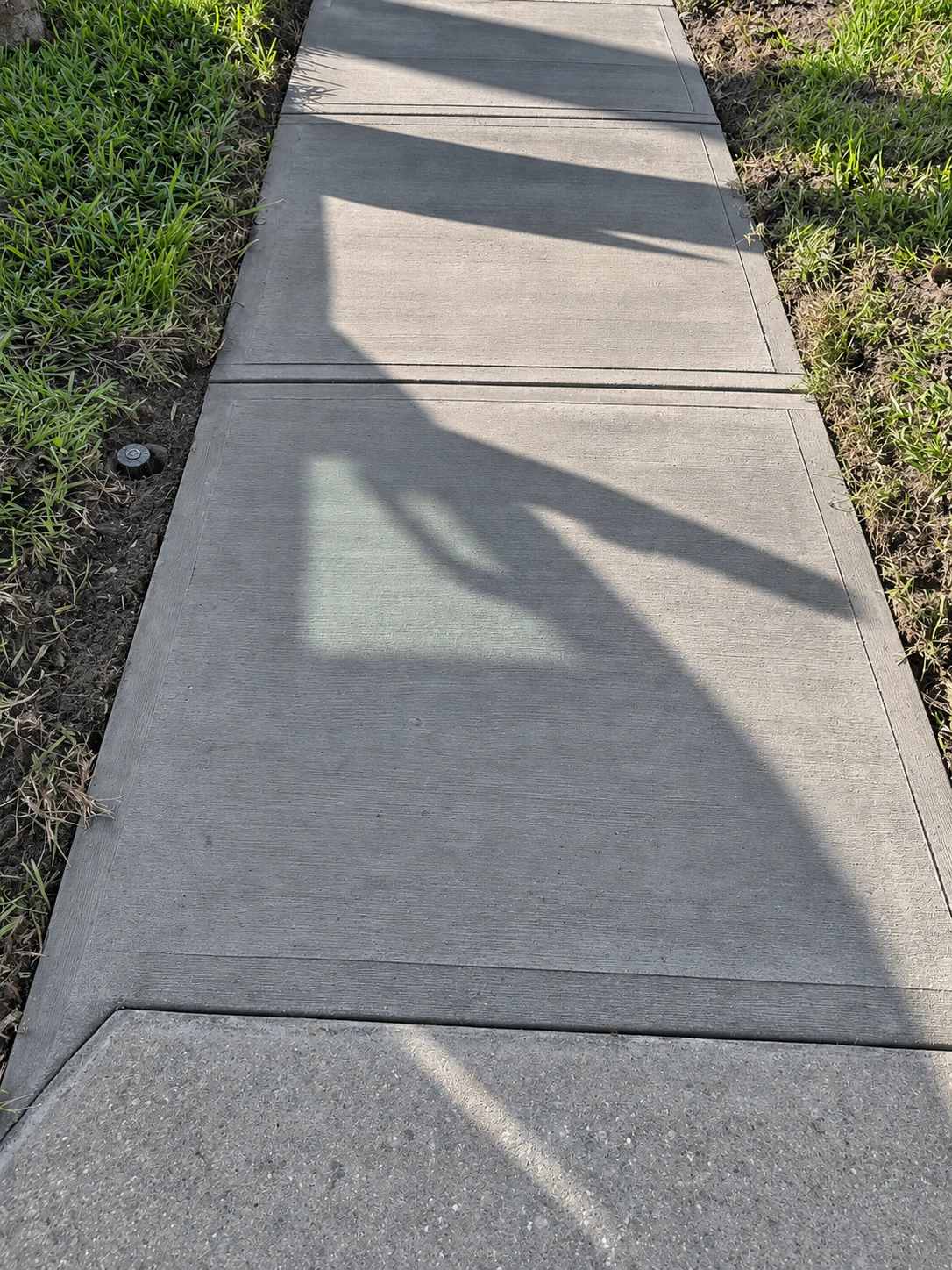
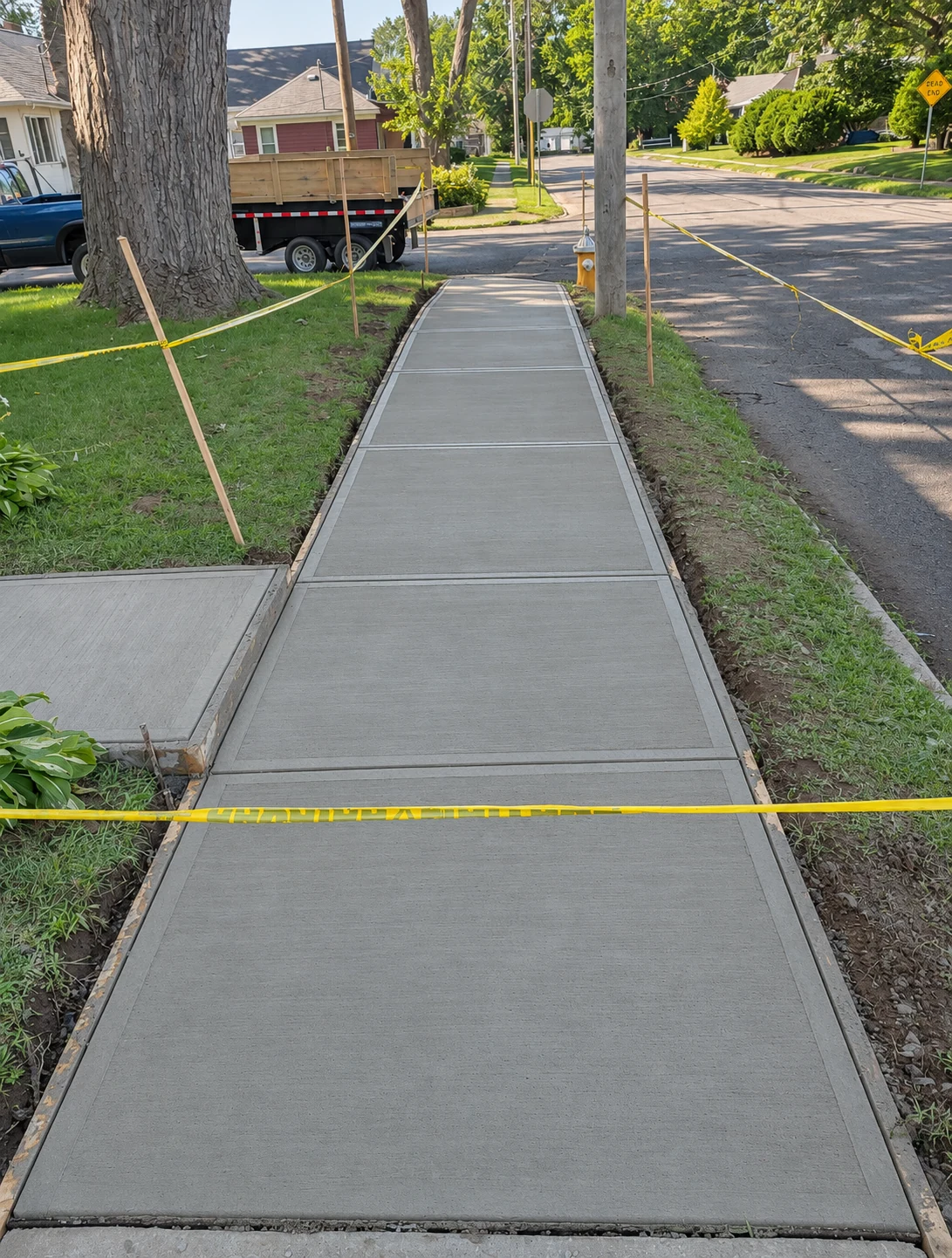
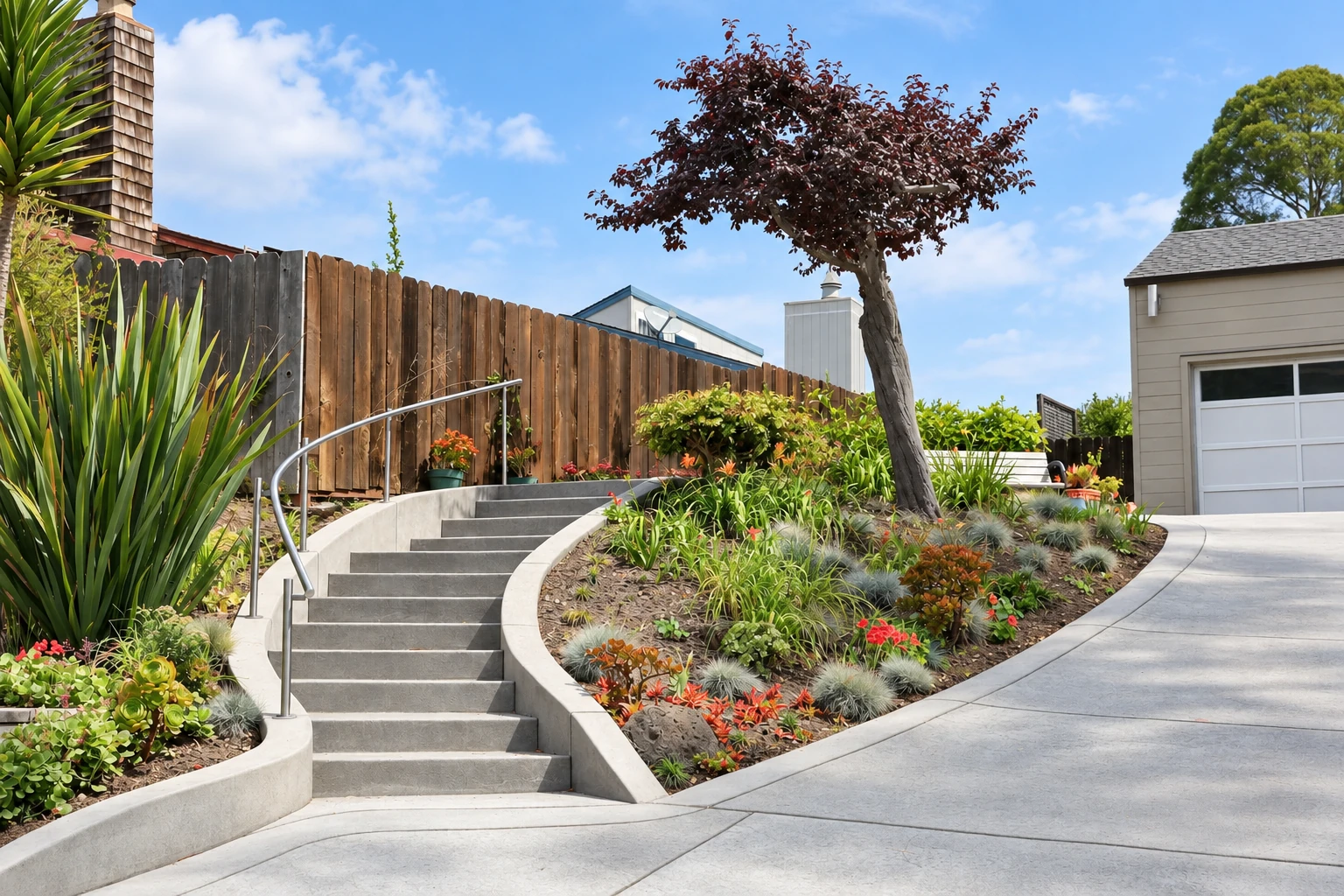
We're based in Palm Bay and pour across Brevard County, from Viera East on the mainland to Indian Harbour Beach down the island. In Satellite Beach we do the same work we do everywhere else: driveways, patios, pool decks, garage floors and new sidewalks.
Satellite Beach sits on the barrier island south of Cocoa Beach, with Patrick Space Force Base right to the north. The city is long and narrow, with the Atlantic to the east and the Banana River to the west, and that shape is why it carries a higher flood risk. For concrete, that means every job here starts with water. We look at where the rain runs off your roof and yard today, and where it'll go once the new slab is in.
What sets the price and the schedule
Price comes down to the size of the slab and how thick it needs to be for what sits on it. It also depends on how much old concrete we tear out and haul off, and how much work the ground underneath needs. A broom finish, a light brushed texture that gives feet and tires grip, costs less than stamped or decorative work. The schedule turns on the weather and on curing, the time fresh concrete needs to harden. You can walk on it after a few days, but you'll wait longer before you drive on it. We come out, measure, and you get your own number at the estimate.
Planning for water on the island
Before we set a single form, we check where water runs now and slope the slab away from your house. A patio that tips toward the wall sends every storm right where you don't want it, and with the ocean on one side and the river on the other, there's plenty of water to move. Homes close to the beach can also sit seaward of the state's coastal construction control line. The Florida Department of Environmental Protection says siting and design standards there may be stricter than elsewhere in the coastal zone, because storms hit hardest in that seaward area.
Why we put the money in the base
When an old slab sank or split, the problem usually started underneath. We dig out and pack the subgrade, the ground the slab sits on, instead of raking it flat, so it doesn't settle and pull the concrete down with it. We cut control joints, shallow grooves that give the slab a straight place to crack, while the concrete is still fresh. We also plan pours around the midday heat that leaves a weak, dusty top. If the budget is tight, we'd rather trim the finish than the base, because you can't fix a base later without tearing everything out. Then we finish the edges clean, because that's what you look at every day.