
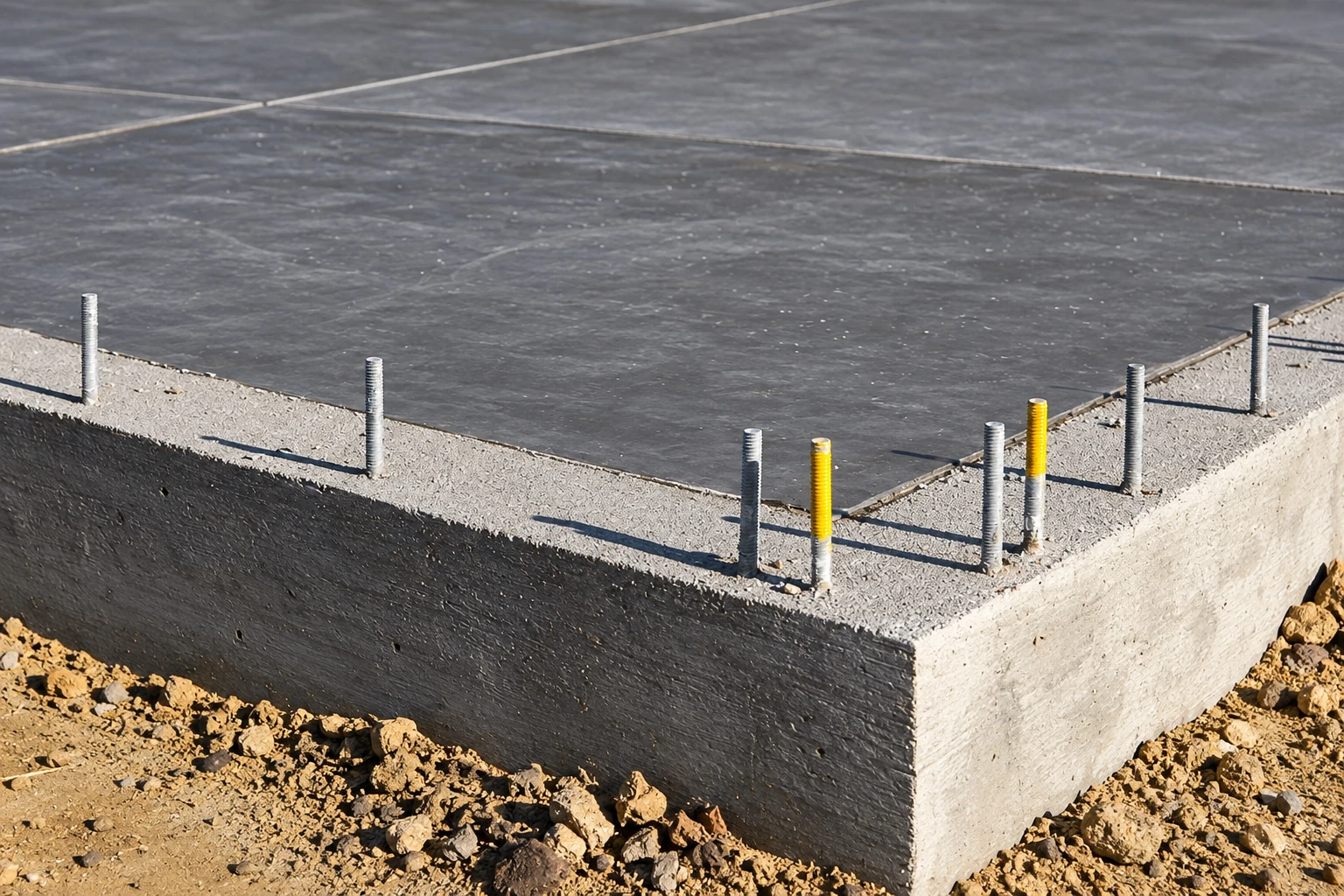
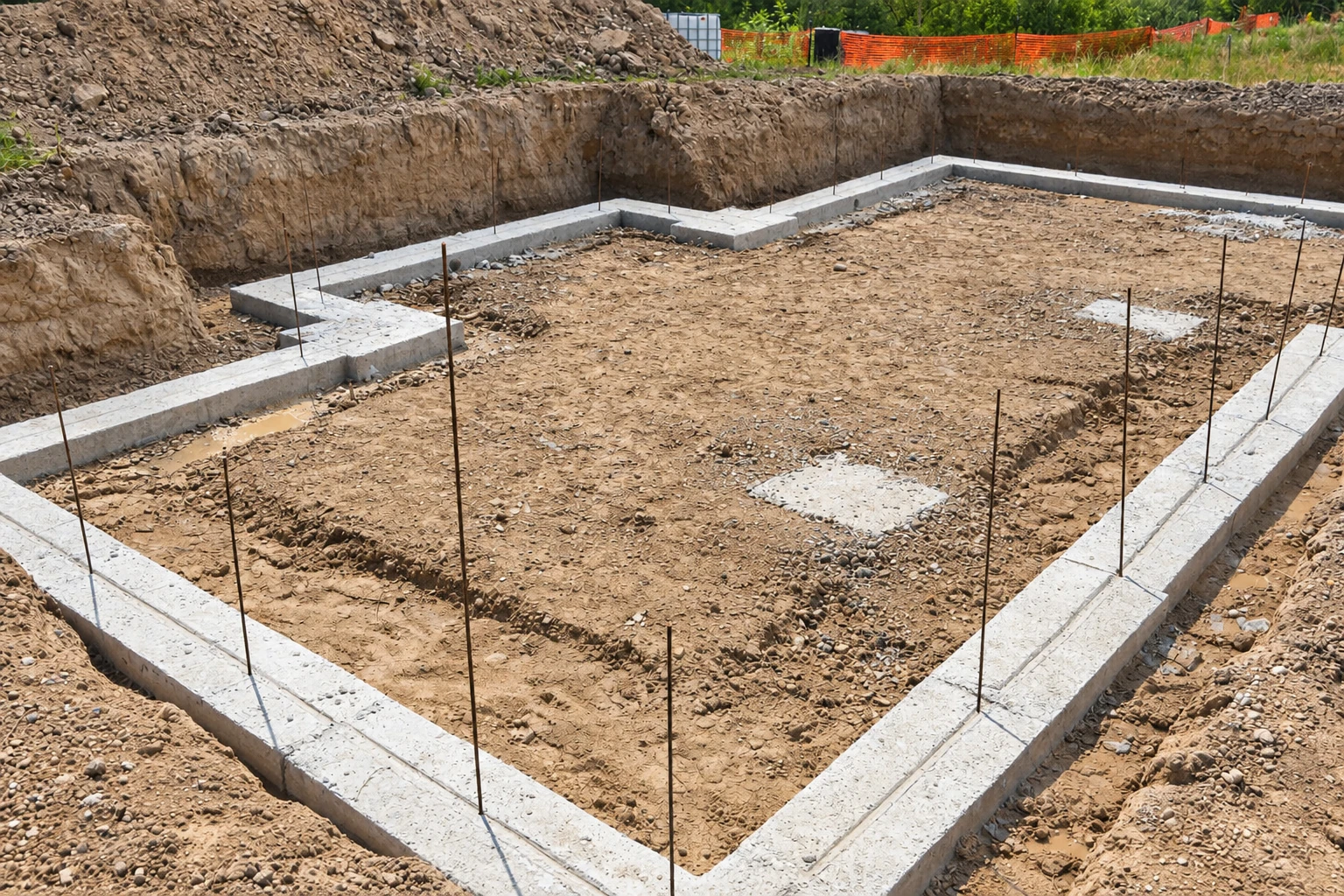
Micco is an unincorporated community at the bottom of Brevard County, a short drive from us in Palm Bay, and what homeowners here usually need is flatwork, the flat pours like driveways, patios, sidewalks and pool decks, plus slabs for a garage, shed or workshop. We do the same work up the coast in South Patrick Shores and just down the road in Sebastian, but every lot gets looked at on its own, because the ground and the water decide more than the address does.
Here, water is what shapes the job. Flooding in this part of the county comes from heavy rain that falls fast and from tidal surge in tropical storms and hurricanes, with the Indian River Lagoon on one side and the St. Johns River on the other, so we want to see where the water on your property goes before we talk finishes.
Permits run through Brevard County
Because Micco isn't a city of its own, Brevard County issues the building permits here, and the paperwork, inspections and conditions change with the type of project. The county's list of residential permits names work like fences, pools and reroofs, not driveways or patios, so that list alone doesn't settle whether your job needs one. What a concrete job needs depends on the work and where it is, and the county is the place to ask before any forms go in. We're licensed and insured, and when you're comparing contractors, it's fair to ask to see a license and the local business tax receipt the county Tax Collector issues to most businesses.
Planning the pour around heavy rain
Water sitting under a slab softens the subgrade, the dirt and base the concrete rests on, and that's usually why a driveway sinks and cracks. So we dig out to firm ground and pack the base instead of raking it level, then set the slope so water runs away from your house. If the budget gets tight, we'd cut back on the finish before the base, because you can't fix a base later without tearing out the slab. We cut control joints, shallow grooves that give the concrete a straight place to crack, the same day we pour, and on hot days we pour early so the top doesn't cure weak and dusty.
What moves the price and the schedule
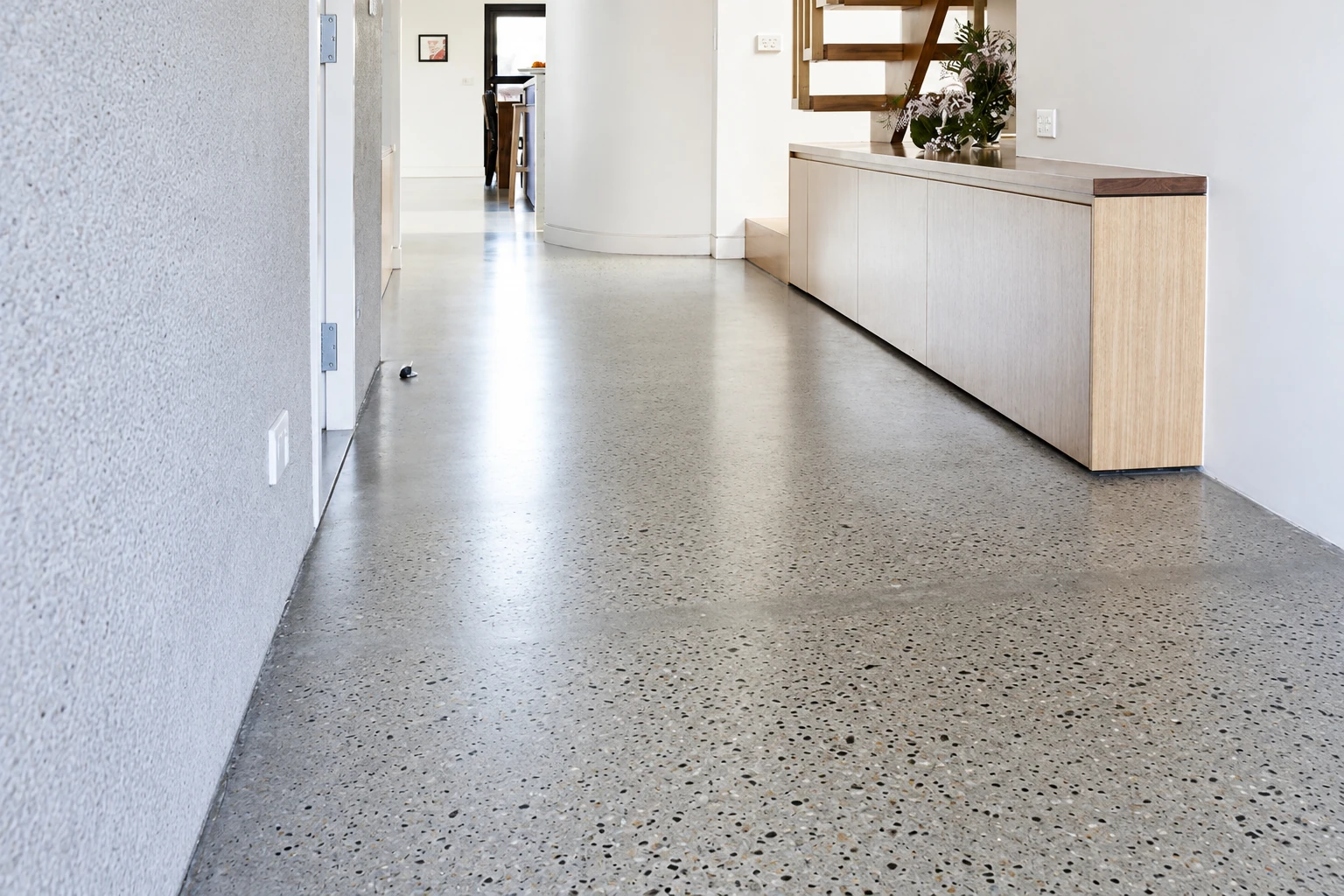
Size and thickness set most of the price, then the ground, since tearing out an old slab or building up a low spot adds work before we pour. Finish is the other big choice, because a plain broom finish, the brushed texture that keeps it from getting slick when wet, costs less than stamped or decorative work. When only part of your driveway is cracked or failing, we can replace just those sections instead of the whole thing. Rain moves the schedule, and September is usually the wettest month, then curing, the days concrete needs to harden, decides when you can walk and then drive on it. We'll give you your own number when we come out.