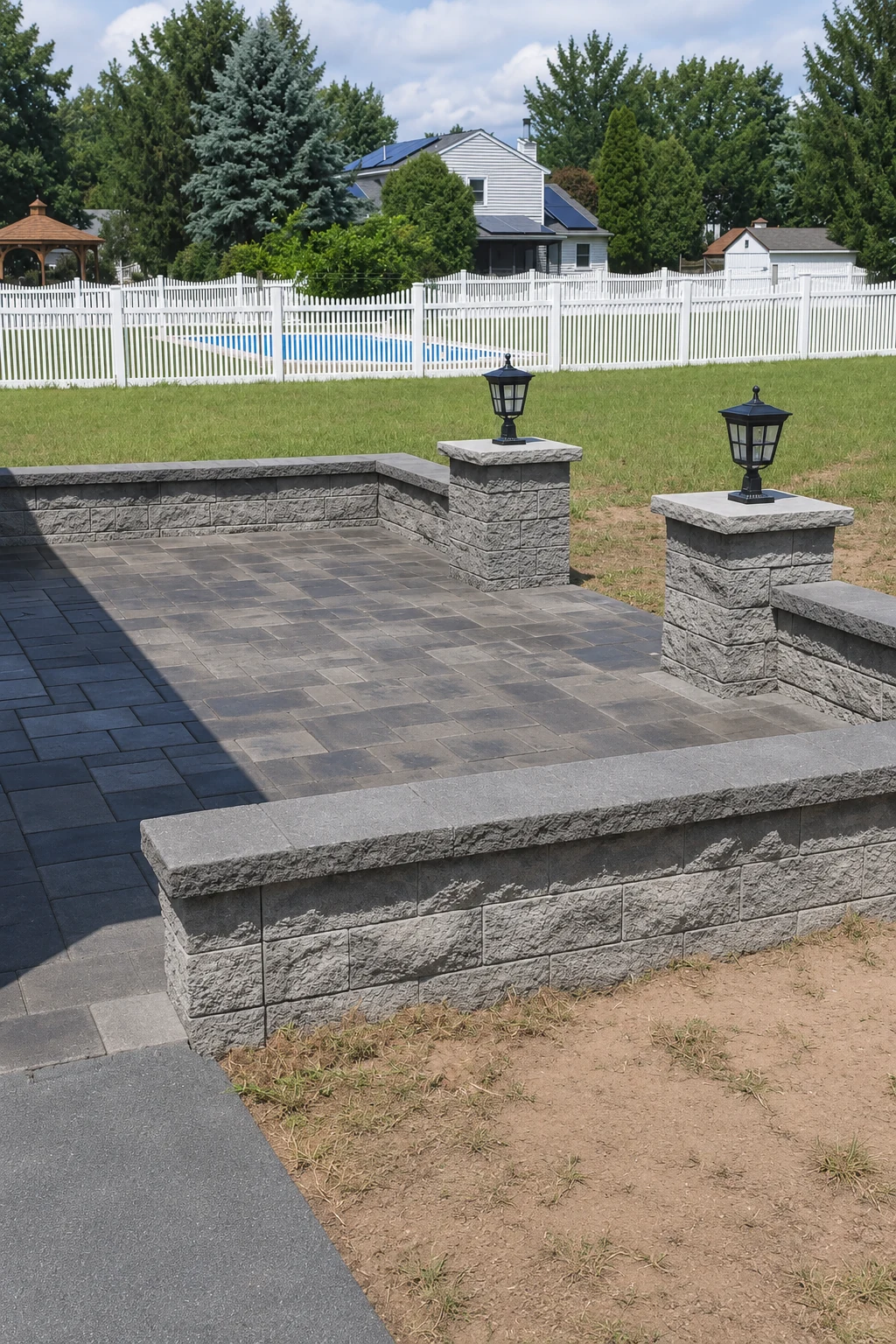
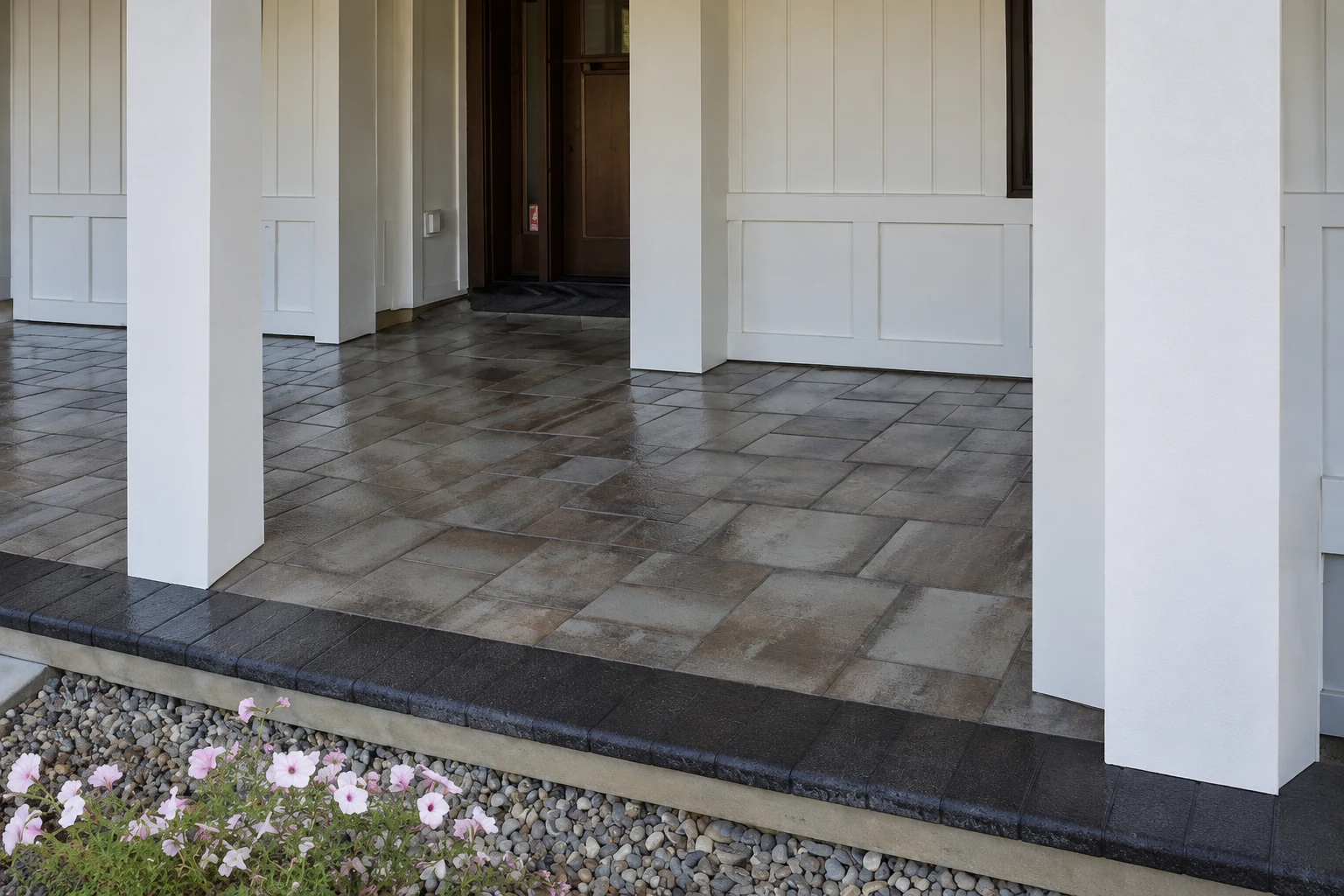
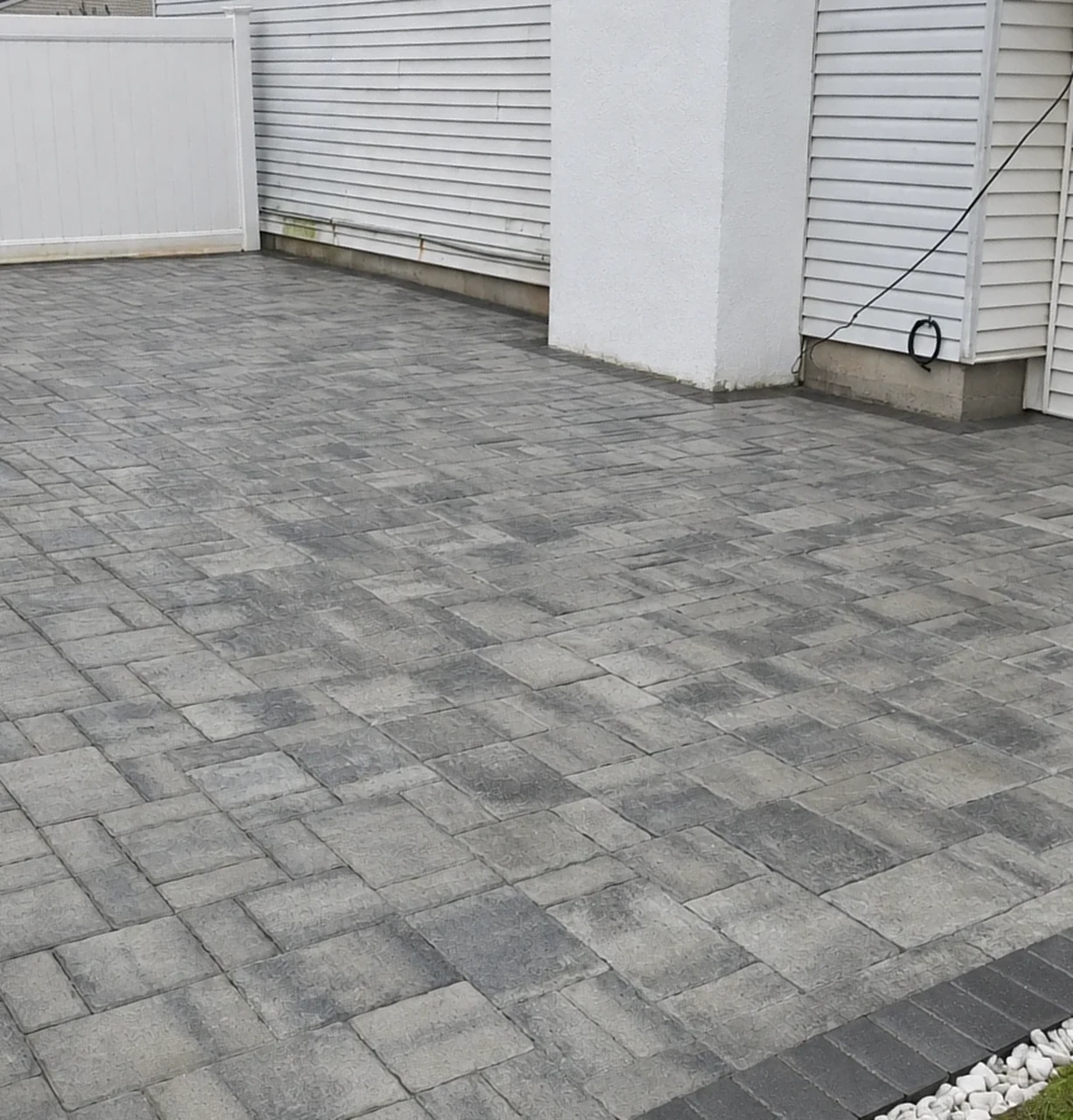
Melbourne covers a lot of ground. Older houses near the river have driveways that have been settling for decades, newer neighborhoods sit farther west, and shops and offices are mixed in all through it. Most of the calls we get here come down to a few things: a driveway that's cracked or sunk at the street, a patio that holds water, or a walk that's started to tip. We do the same work just over the line in West Melbourne and down the road in Palm Bay, where we're based.
The ground here is mostly sand, and sand moves when water runs under a slab. That's why most jobs here turn on two things you won't see once the concrete is poured: a base that's dug out and packed, and a slope that sends rain away from the house.
What moves your price and your schedule
Price comes down to size, how thick the slab needs to be, whether we're tearing out old concrete first, and the finish you pick. A plain broom finish, the light brushed texture that keeps feet from slipping, costs less than stamped work. Rebar, the steel inside the slab that holds it together if it cracks, adds a bit too. A new concrete patio on open ground is simpler than a driveway we have to break out and haul off. The schedule mostly waits on the weather and on curing, the days the concrete needs to harden before you walk on it and longer before you park on it. You'll get your own figure once we've seen the site.
Pouring around the afternoon storms
Rain in Melbourne tends to come hard and fast, and September is usually the wettest month, so we watch the forecast and pour early, before the heat and the afternoon storms. A pour in midday sun dries the top too fast, and that's what leaves a weak, dusty surface that starts chipping later. Before we set forms, we check where water runs across your lot now, because a slab that falls toward the house sends every storm at your foundation. We set the slope so water heads for the yard or the street, and we'd rather move a pour date than rush a pour ahead of a downpour.
Replacing only the broken sections
When only part of your driveway is cracked or sunk, you usually don't need a whole new one, because we can cut out the bad sections and pour new concrete in their place. We dig out under the old piece and pack fresh base, since a sunken section usually means the subgrade, the dirt and fill the slab sits on, washed out or was never packed. Then we cut control joints, shallow grooves that give the concrete a straight place to crack instead of a random one. If the budget gets tight, cut the fancy finish before you cut the base, because you can redo a surface later but not what's under it.